because it’s not every day that I get compared to a famous fucked-up artist duo

because it’s not every day that I get compared to a famous fucked-up artist duo
I’m not the kind of person who praises
openly, or for profit; I’m not the kind
who will steal a scene unless
I’ve designed it. I’m not a kind at all,
in fact: I’m itchy and pug-willed,
gnarled and wrong-headed,
never amorous but possessing
a wild, thatched soul.
Each night I set my boats to sea
and leave them to their bawdy business.
Whether they drift off
maddened, moon-rinsed,
or dock in the morning
scuffed and chastened—
is simply how it is, and I gather them in.
You are mine, I say to the twice-dunked cruller
before I eat it. Then I sing
to the bright-beaked bird outside,
then to the manicured spider
between window and screen;
then I will stop, and forget the singing.
(See? I have already forgotten you.)
From the website:
The Tibor de Nagy Gallery marks its 60th anniversary with “Tibor de Nagy Gallery Painters and Poets,” an exhibition celebrating the gallery’s pivotal role in launching the New York School of Poets and fostering a new collaborative ethos among poets and painters in post-War New York. The exhibit focuses on the gallery’s first two decades, the 1950s and ‘60s, when its vibrant, salon-like atmosphere and director John Bernard Myers’ passion for both art and poetry gave birth to these unique partnerships.
All I can do is go to the gallery’s website and click through the tiny pictures and hope that suffices (it must suffice). A few I love, even in their tiny, virtual forms:
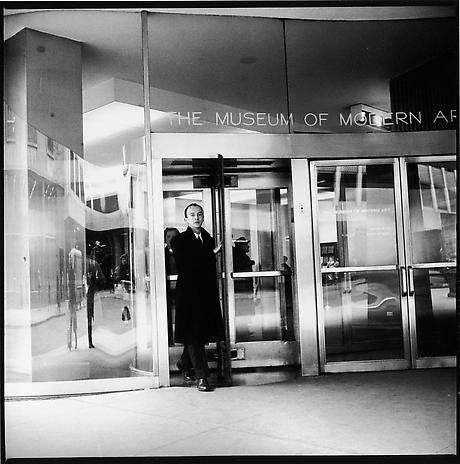
That’s Frank O’Hara, at the Museum of Modern Art. And here’s Larry Rivers’ portrait of John Ashberry:
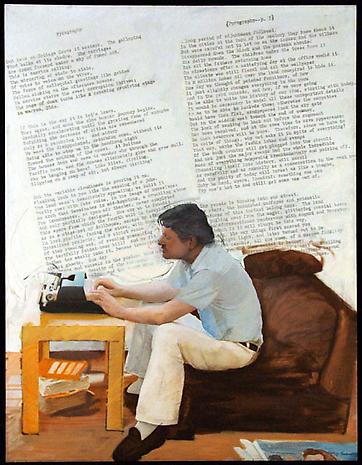

(scanned from Chris Felver’s book “The Poet Exposed”)
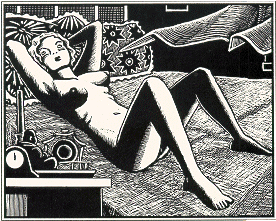
“The Wild Party” by Joseph Moncure March
Misha, in all of his wisdom, gave me a classily bound and rare (#434 out of 2,000) edition of this book for the holidays. Its pages are thick, and uneven at the edges. The author uses colons shamelessly, and well. Art Spiegelman (illustrator, author of “Maus”) rediscovered this book years ago and illustrated a new version of it (that’s where the picture above comes from). Here’s a tiny taste of the roaring twenties romp that lies between the covers (a party based on this book will undoubtedly occur at my house in the near future):
9
Some love is fire: some love is rust:
But the fiercest, cleanest love is lust.
And their lust was tremendous. It had the feel
Of hammers clanging; and stone; and steel:
And torches of the savage, roaring kind
That rip through iron, and strike men blind:
Of long trains crashing through caverns under
Grey tumbling streets, like angry thunder:
Of engines throbbing; and hoarse steam spouting;
And feet tramping; and great crows shouting.
A lust so savage, they could have wrenched
The flesh from bone, and not have blenched.
I always seem to be trying to do six or seven different poems at the same time and just hoping I can keep them all well-nurtured enough so that one of them will suddenly get strong enough to take over all by itself until it is done.
-Elizabeth Bishop, in a letter to Robert Lowell
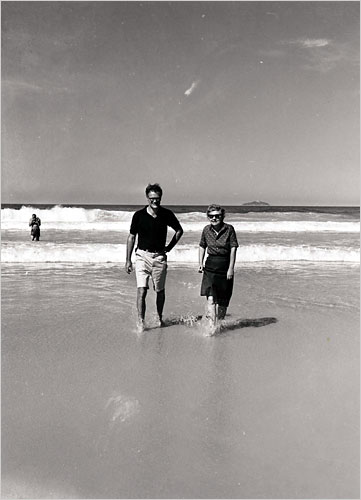
I just happened upon this on the interweb. Salinger surely would’ve hated it, but I sure don’t.
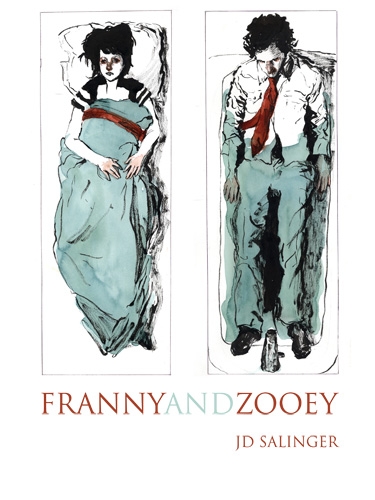 “Few writers since Joyce would risk such a wealth of words upon events that are purely internal and deeds that are purely talk.”
-John Updike, in a 1961 review of “Franny and Zooey” in the NY Times.
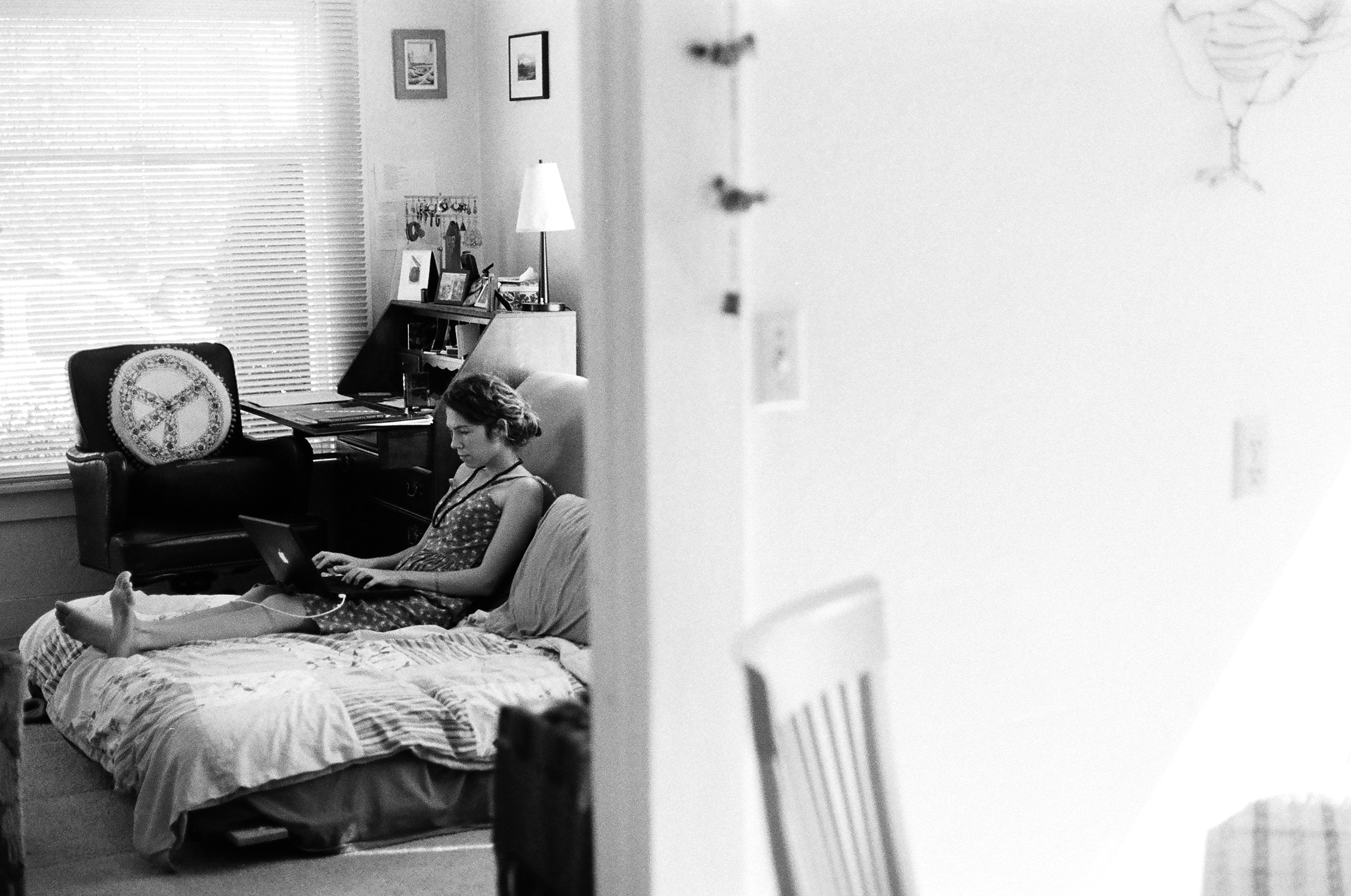
Poetry homework. Much of it. At home, in a cafe, at school…
(I never worked this hard in college!)
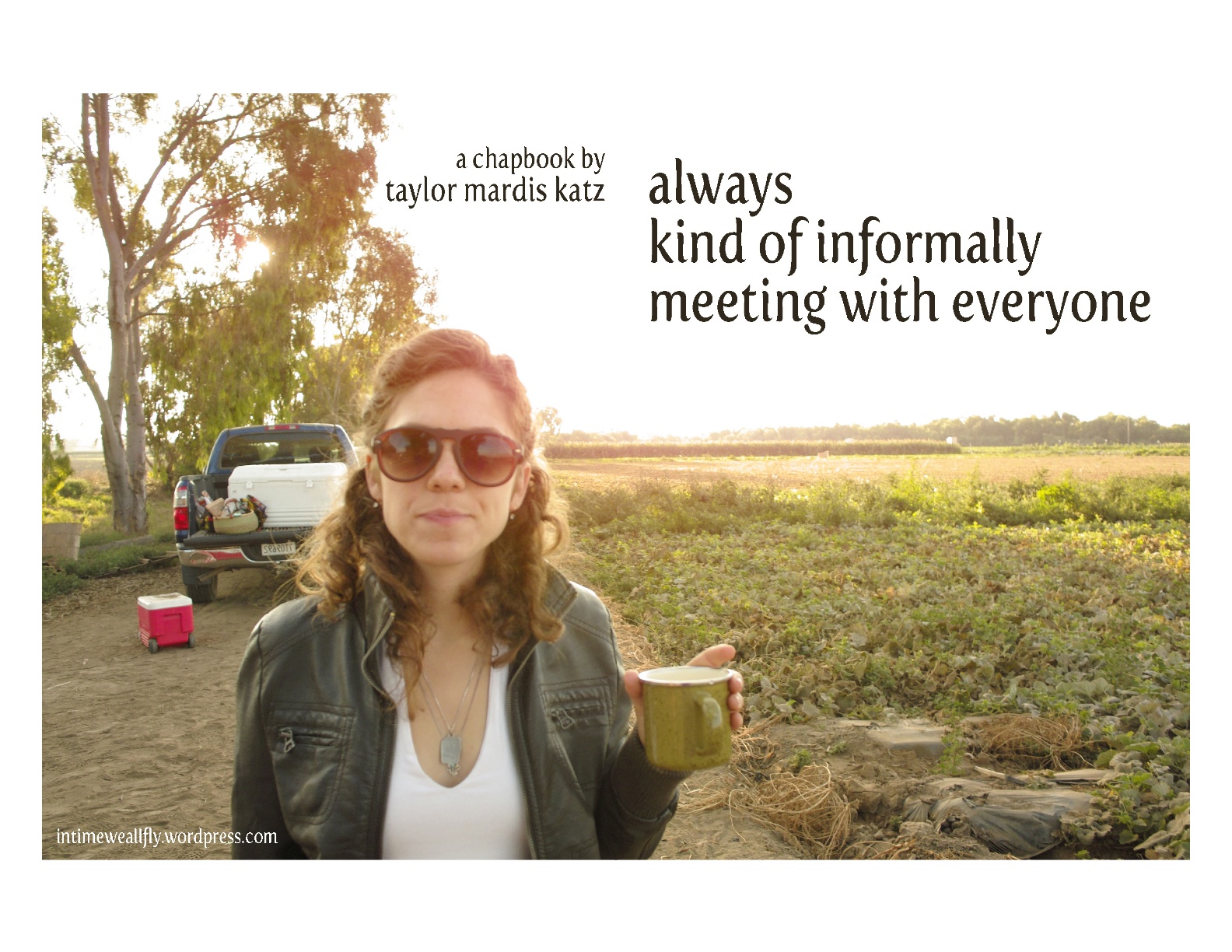
(If you want one of these, write an electronic letter to taylormkatz@gmail.com.)
chapbook (noun): a small paperback pamphlet, typically containing poems or fiction.

 panache, perhaps