The river was swollen. There were rocks
covered completely by water. We three stood
by the water. It was too cold for smells.
There is nothing so serious as each instant
occurring right after the last. Only this. Then
this. We unribbon. We peeled back, pulled open.
And from our mouths: sets of words. Laughs
of white breath. The story of a star. We are anything,
except that we are only this: this single minute.
One truth after another. My hands were in
my pockets. The river licked at rocks. All
that liquid, all that thirst. The temperature took
away my toes. I see some people twice a year.
There is a fullness to the sky, an emptiness.
I hear you’re writing brunch poems again,
says Eoin. That’s very dangerous for me. He knows
anything he says or does may be used against him
in a poem. Last night I gave ten dollars to one person,
tonight to another. I spend my money on whiskey
and pens and paper goods and friends. They pay me
back. I wear my hair to the side and listen to Camus:
Today we are always as ready to judge as we are
to fornicate. It’s so easy coming home, yelling over
girls I learned to drink with, talking to boys I kissed
and afterward befriended. I get called by my initials
and thrown up into the air by someone who still
walks like a football player. We can’t escape ourselves,
not that we would want to. Not this holiday at least.
this year, I’ll call them
The Someday Brunch Sonnets(poems of 14 lines
occurring some days
& written in New York
during the last days of 2011
& the first days of 2012)
On the Hudson line, the Hudson’s misty white
and Harlem’s moistened bricks are held in color
by the rain. Years ago, I watched an airplane puff
a message to a lover from a lover but missed the name
when the train went underground. Usually I’m anxious
for the dark of tunnel, a sign that city life is close, all
the art and outfits waiting. This year it’s Christmas
and de Kooning, who painted roads and months on canvases
the size of my apartment. I won’t tell you that I saw
the Merritt in his painting called the Merritt Parkway,
but the expression of the tiny patch of olive green
that beamed itself in angles from a corner was enough
to tell me that he lived here once and thought himself
a minor sight in comparison to all the trees.
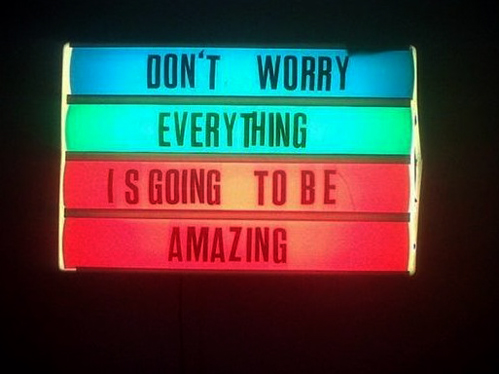
on the subject of grading and packing and goodbying to everyone and gathering presents and cleaning the house and reviewing the whole year:
(via this isn’t happiness)
also, another truth, brought to you by britt appleton:
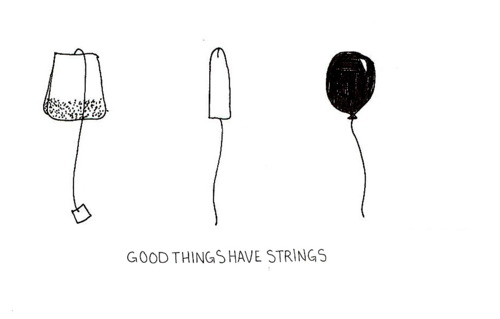
and I’m going to see my family so soon!!!!!!
as stepping off the train from someplace north
into the streets of midtown Manhattan and goodness
all the business women in their golden spires
of hair and heel and midday men with navy pocket
squares, even the children stop to stare at my patterned
country dress, my weak-tied ponytail. My duffel builds
a crease against my elbow’s hook—somewhere
in there, laid along the clothing and the slippers,
a jar of honey for a friend tilts and leaks, and the hive
at home goes on buzzing, run by a queen and the laws
of servitude, oh even the unemployed are dressed
in red and ready in New York, and I am standing
waiting for my ride, eyed by a policeman on the corner
like a villain sent from someplace blessed with vaster
spaces, and the taxis throw themselves with vigor
at the color green, and the city sky is purpling to black
with neon signs winking sales in capitals and every redhead
in the city is out here walking, no wait, shoving, past.
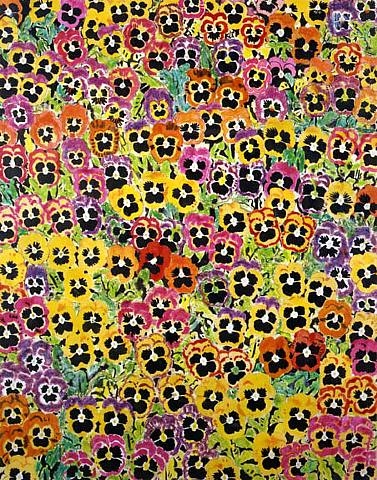
Joe Brainard (painter, collagist, writer) loved pansies so much. He cut them out of everywhere. He collaged them onto pages, in to entire books, which he kept and gave as presents to people like James Schuyler (I’ve seen them in the archives at UCSD–they’re beautiful; they’re shiny and layered, dozens and dozens of PANSIES).

His love of pansies (and flowers in general) reminds me of how I’ve always wanted to love football. Or the “Twilight” books. Or skateboarding. I want so badly to love something so simple, something that other people love so much. It’s incredibly appealing, the idea that there’s some new thing out there to get all excited about–I want to love these things; they are so available and other people love them and I would like to join in on that. But I can’t tell where the goddamn ball is on that huge field, even with the camera telling me where to look. And Bella is SO boring to read about. And I’m afraid of falling off a skateboard and hurting my knees.
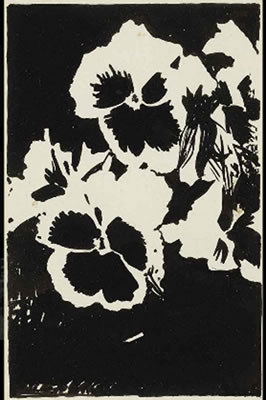
Joe Brainard got something right with his love of flowers. He was a normal, human person like the rest of us, and by that, I mean that he was self-conscious and sensitive and he wasn’t sure he was ever doing the right thing. He made art and he tried his best to do days well. He wanted to be loved and he wanted to be known, and not as a celebrity. He loved flowers, especially pansies, and he found them everywhere. He collected and saved them. He saved them for himself, but also portioned them out to people he loved. People learned this about him and so sent him stationery with pansies on it. People learned what he loved and then there was more of pansies in his life, and voila: more of love.
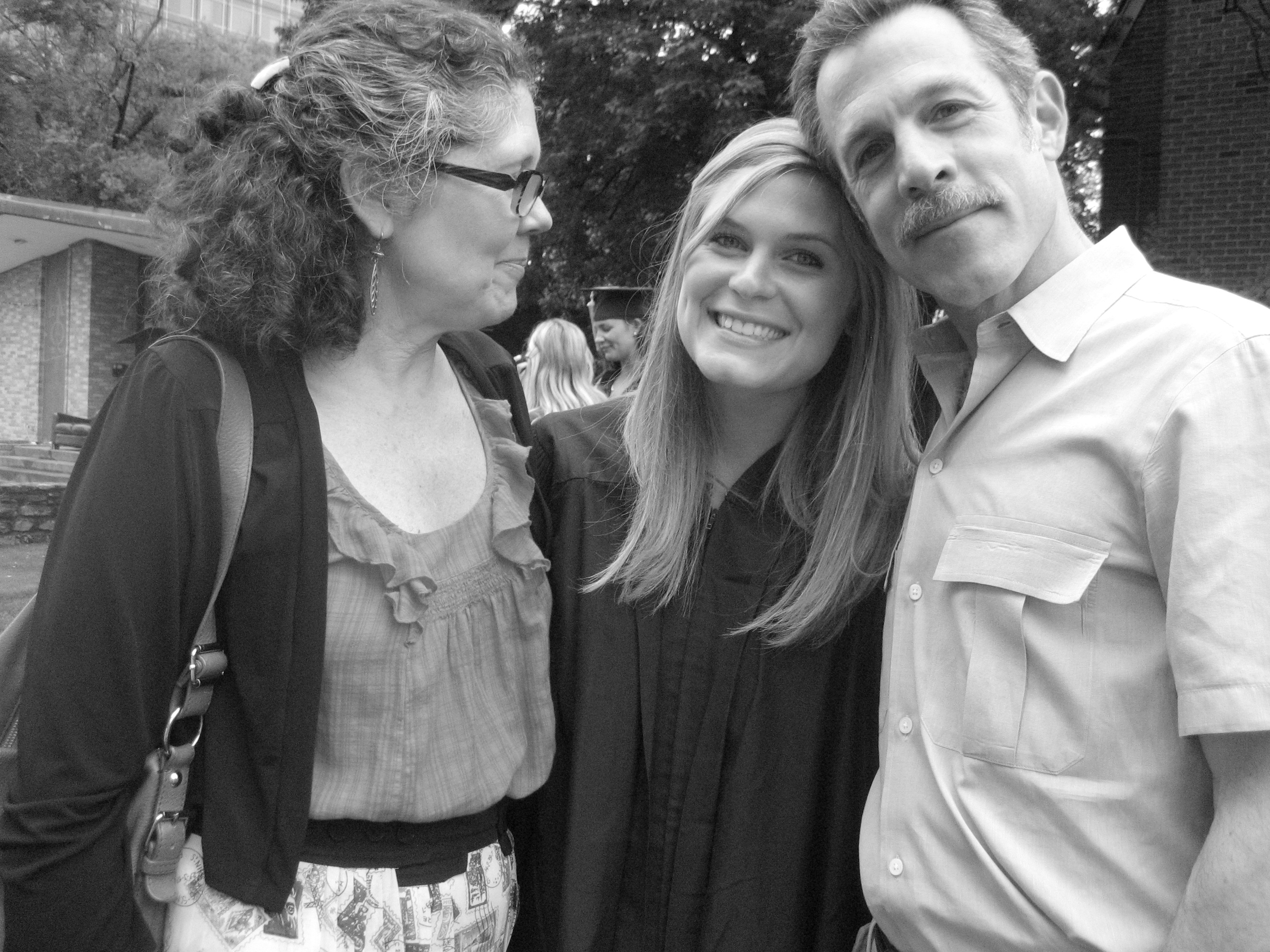
Poppa Dids aka P-Ditty Poppa aka JK aka my Daddio
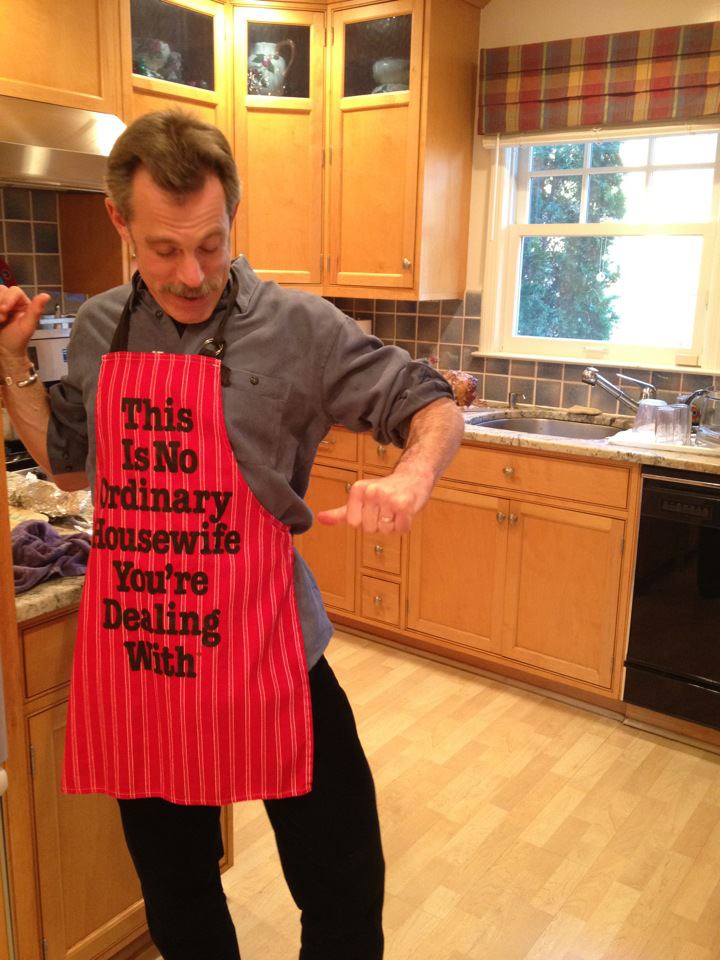
(thanks to Sarah Schoenberg Katz, my sissy number 1, also known as SWISS MISS, for this photo)

I need you, I don’t need you
For Eoin Cahill, with whom I have been friends for ten years, in honor of his birthday, the tooth of November.
 panache, perhaps