I now present to you…more brunch poems.

this year, I’ll call them

The Someday Brunch Sonnets

(poems of 14 lines

occurring some days

& written in New York

during the last days of 2011

& the first days of 2012)


Brunch Sonnet 1


On the Hudson line, the Hudson’s misty white

and Harlem’s moistened bricks are held in color

by the rain. Years ago, I watched an airplane puff

a message to a lover from a lover but missed the name

when the train went underground. Usually I’m anxious

for the dark of tunnel, a sign that city life is close, all

the art and outfits waiting. This year it’s Christmas

and de Kooning, who painted roads and months on canvases

the size of my apartment.  I won’t tell you that I saw

the Merritt in his painting called the Merritt Parkway,

but the expression of the tiny patch of olive green

that beamed itself in angles from a corner was enough

to tell me that he lived here once and thought himself

a minor sight in comparison to all the trees.
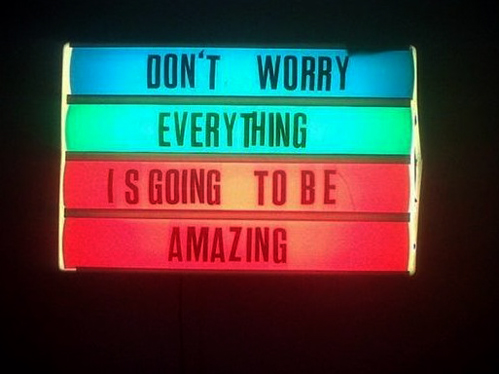


Let me not forget…(images).


on the subject of grading and packing and goodbying to everyone and gathering presents and cleaning the house and reviewing the whole year:


(via this isn’t happiness)

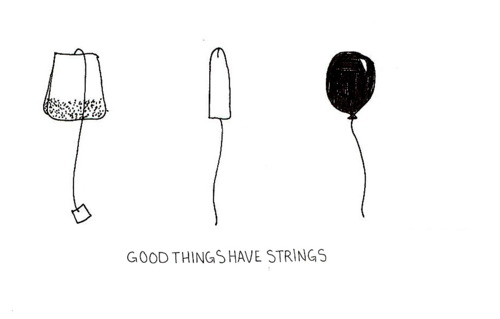
also, another truth, brought to you by britt appleton:

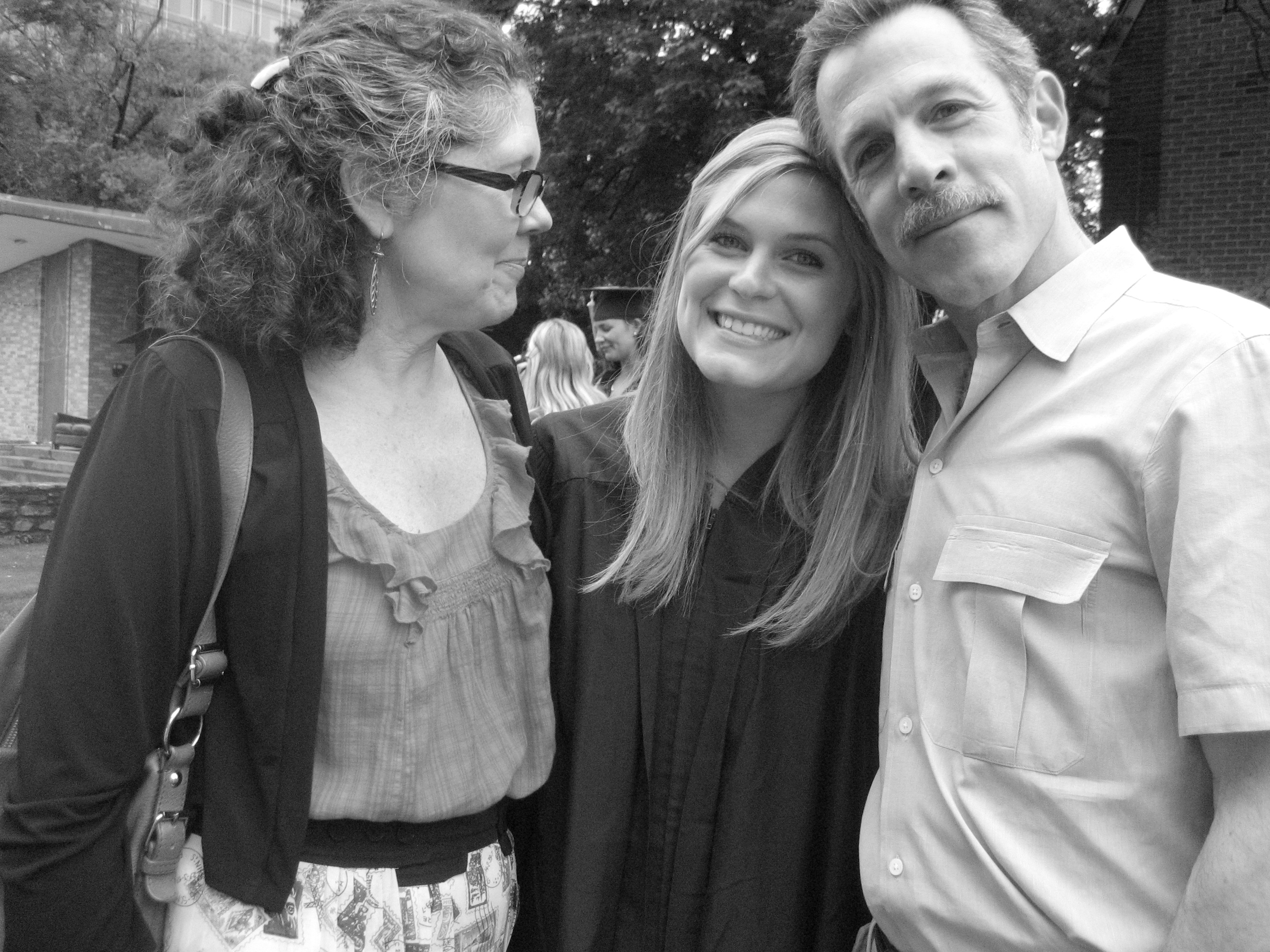
and I’m going to see my family so soon!!!!!!


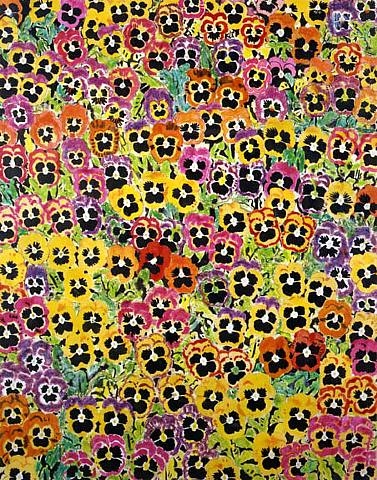
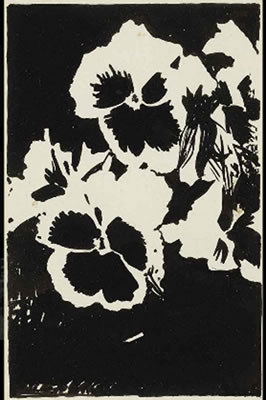
Joe Brainard loved pansies.


Joe Brainard (painter, collagist, writer) loved pansies so much. He cut them out of everywhere. He collaged them onto pages, in to entire books, which he kept and gave as presents to people like James Schuyler (I’ve seen them in the archives at UCSD–they’re beautiful; they’re shiny and layered, dozens and dozens of PANSIES).


His love of pansies (and flowers in general) reminds me of how I’ve always wanted to love football. Or the “Twilight” books. Or skateboarding. I want so badly to love something so simple, something that other people love so much. It’s incredibly appealing, the idea that there’s some new thing out there to get all excited about–I want to love these things; they are so available and other people love them and I would like to join in on that. But I can’t tell where the goddamn ball is on that huge field, even with the camera telling me where to look. And Bella is SO boring to read about. And I’m afraid of falling off a skateboard and hurting my knees.


Joe Brainard got something right with his love of flowers. He was a normal, human person like the rest of us, and by that, I mean that he was self-conscious and sensitive and he wasn’t sure he was ever doing the right thing. He made art and he tried his best to do days well. He wanted to be loved and he wanted to be known, and not as a celebrity. He loved flowers, especially pansies, and he found them everywhere. He collected and saved them. He saved them for himself, but also portioned them out to people he loved. People learned this about him and so sent him stationery with pansies on it. People learned what he loved and then there was more of pansies in his life, and voila: more of love.


New favorite poem (Galway Kinnell).

Last Gods


She sits naked on a rock

a few yards out in the water.

He stands on the shore,

also naked, picking blueberries.

She calls. He turns. She opens

her legs showing him her great beauty,

and smiles, a bow of lips

seeming to tie together

the ends of the earth.

Splashing her image

to pieces, he wades out

and stands before her, sunk

to the anklebones in leaf-mush

and bottom-slime—the intimacy

of the geographical. He puts

a berry in its shirt

of mist into her mouth.

She swallows it. He puts in another.

She swallows it. Over the lake

two swallows whim, juke jink,

and when one snatches

an insect they both whirl up

and exult. He is swollen

not with ichor but with blood.

She takes him and talks him

more swollen. He kneels, opens

the dark, vertical smile

linking heaven with the underearth

and murmurs her smoothest flesh more smooth.

On top of the rock they join.

Somewhere a frog moans, a crow screams.

The hair of their bodies

startles up. They cry

in the tongue of the last gods,

who refused to go,

chose death, and shuddered

in joy and shattered in pieces,

bequeathing their cries

into the human breast. Now in the lake

two faces, floating, see up

a great maternal pine whose branches

open out in all directions

explaining everything.

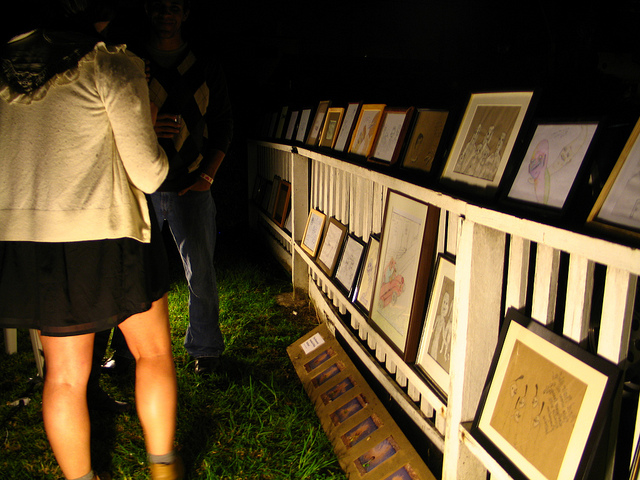
Damn it feels good to have a sideyard.


The sideyard was better than ever before

The sideyard, according  to a new neighbor-friend named Neil “felt like the 60s again.”

The sideyard had around 70 people attend which is record-breaking for the sideyard

The sideyard had a tiki torch

The sideyard had such good loud music that the police came

The sideyard thanks “Tendrils,” the new house band, who will perform acoustically from here on out so that we don’t get evicted

According to a girl I met, the sideyard was “the most fun event I’ve ever been to.” EVER!

Neighbor and friend Jed said about the sideyard, “Don’t ever let me miss this again.”

The sideyard offered free wine and decaffeinated coffee

The morning after the sideyard I had both a real hangover as well as a happiness hangover


Thank you to everyone who came to the sideyard

Thank you to everyone who let themselves enjoy something so analog

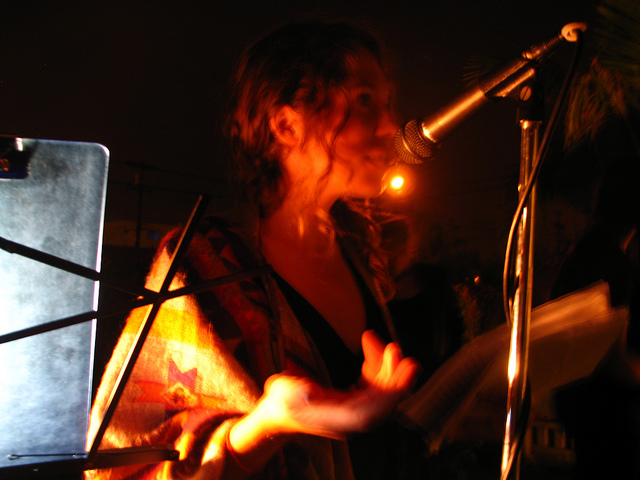
Thank you to everyone for coming out to hear poetry; we poets need you, we poets are you, we are all poets


(photos by misha marston johnson)

Poem I need these days (Mary Oliver).

The Journey


One day you finally knew
what you had to do, and began,
though the voices around you
… kept shouting
their bad advice–
though the whole house
began to tremble
and you felt the old tug
at your ankles.
“Mend my life!”
each voice cried.
But you didn’t stop.
You knew what you had to do,
though the wind pried
with its stiff fingers
at the very foundations,
though their melancholy
was terrible.
It was already late
enough, and a wild night,
and the road full of fallen
branches and stones.
But little by little,
as you left their voices behind,
the stars began to burn
through the sheets of clouds,
and there was a new voice
which you slowly
recognized as your own,
that kept you company
as you strode deeper and deeper
into the world,
determined to do
the only thing you could do–
determined to save
the only life you could save.

An Exercise in Love (poem) (Diane Di Prima).

An Exercise in Love

for Jackson Allen
My friend wears my scarf at his waist
I give him moonstones
He gives me shell & seaweeds
He comes from a distant city & I meet him
We will plant eggplants & celery together
He weaves me cloth

Many have brought the gifts
I use for his pleasure
silk, & green hills
& heron the color of dawn

My friend walks soft as a weaving on the wind
He backlights my dreams
He has built altars beside my bed
I awake in the smell of his hair & cannot remember
his name, or my own.

-Diane Di Prima

I am not a painter, I am…

Why I Am Not a Painter

I am not a painter, I am a poet.
Why? I think I would rather be
a painter, but I am not. Well,

for instance, Mike Goldberg
is starting a painting. I drop in.
“Sit down and have a drink” he
says. I drink; we drink. I look
up. “You have SARDINES in it.”
“Yes, it needed something there.”
“Oh.” I go and the days go by
and I drop in again. The painting
is going on, and I go, and the days
go by. I drop in. The painting is
finished. “Where’s SARDINES?”
All that’s left is just
letters, “It was too much,” Mike says.

But me? One day I am thinking of
a color: orange. I write a line
about orange. Pretty soon it is a
whole page of words, not lines.
Then another page. There should be
so much more, not of orange, of
words, of how terrible orange is
and life. Days go by. It is even in
prose, I am a real poet. My poem
is finished and I haven’t mentioned
orange yet. It’s twelve poems, I call
it ORANGES. And one day in a gallery
I see Mike’s painting, called SARDINES.    


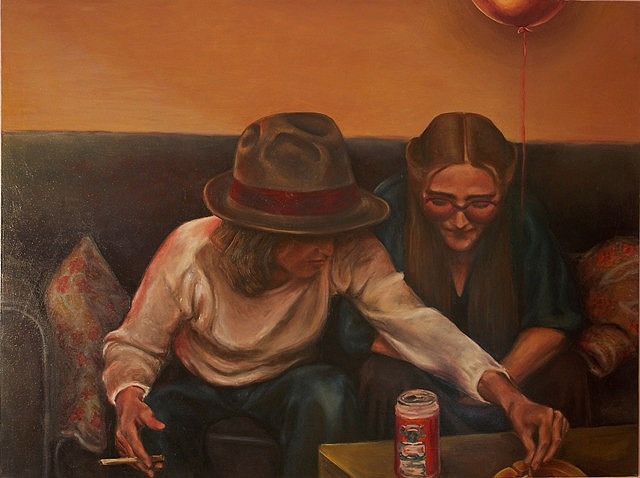
painting by Elspeth Sherman. poem by Frank O’Hara.